

Bristle Moisture Lock: Technologies for Longer - Lasting Lather
Bristle Moisture Lock: Innovations Driving Longer-Lasting Lather in Modern Shaving Brushes
For the modern wet shaver, a rich, long-lasting lather is more than a luxury—it’s the foundation of a smooth, irritation-free grooming experience. Yet, traditional shaving brushes often fall short: bristle materials that fail to retain moisture, leading to quick lather breakdown and the need for frequent re-wetting. Enter bristle moisture lock technology—a rapidly evolving field where material science, engineering, and user-centric design converge to redefine lather longevity.
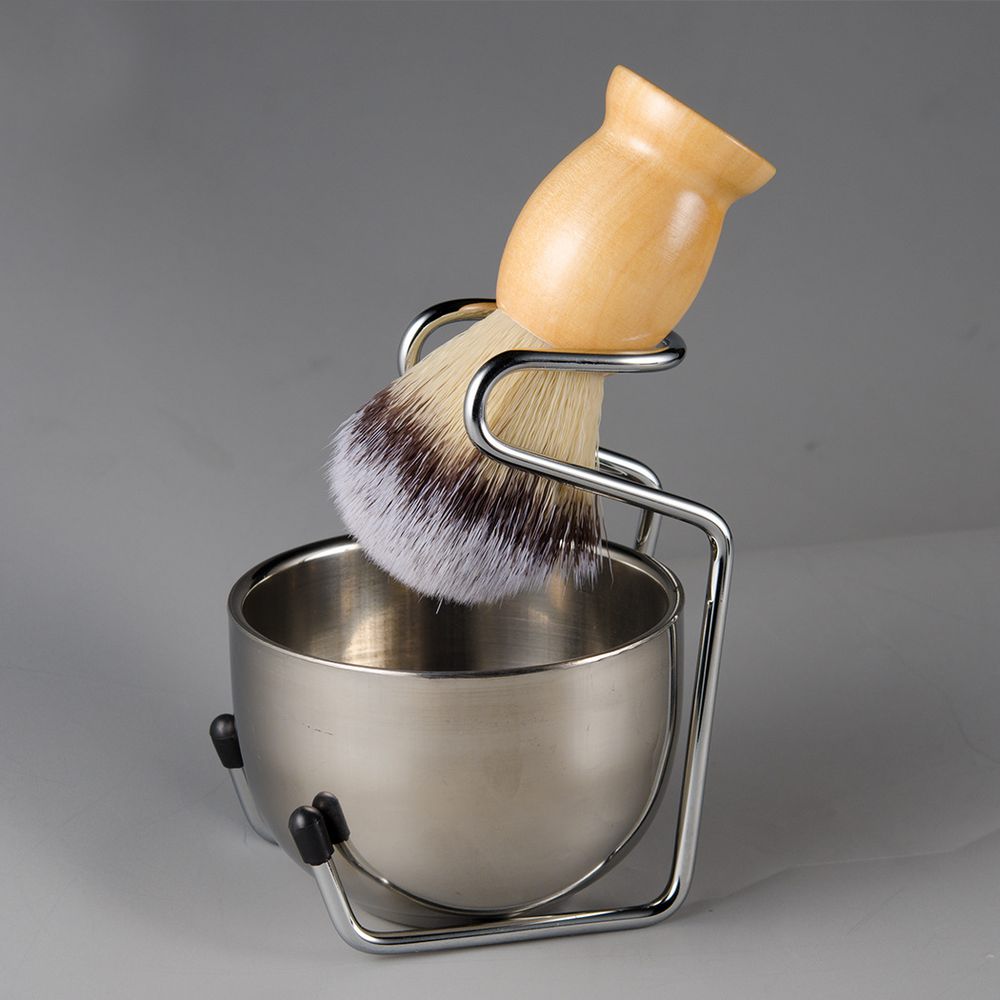
At its core, moisture lock technology addresses a critical challenge: how to keep bristle fibers saturated with water and shaving cream long enough to maintain a consistent lather throughout the shave. This requires a delicate balance—bristles must absorb enough moisture to generate lather but release it slowly, ensuring the foam stays thick and creamy from the first pass to the last.
Material Engineering: The Building Block of Moisture Retention
The choice of bristle material is the first line of defense in moisture lock. Natural fibers like badger hair, long prized for their softness, have inherent moisture-wicking properties due to their hollow core structure. However, sustainability concerns and variability in quality have driven innovation in synthetic alternatives. Modern synthetic bristles, engineered with precision, now rival or exceed natural fibers in moisture retention.
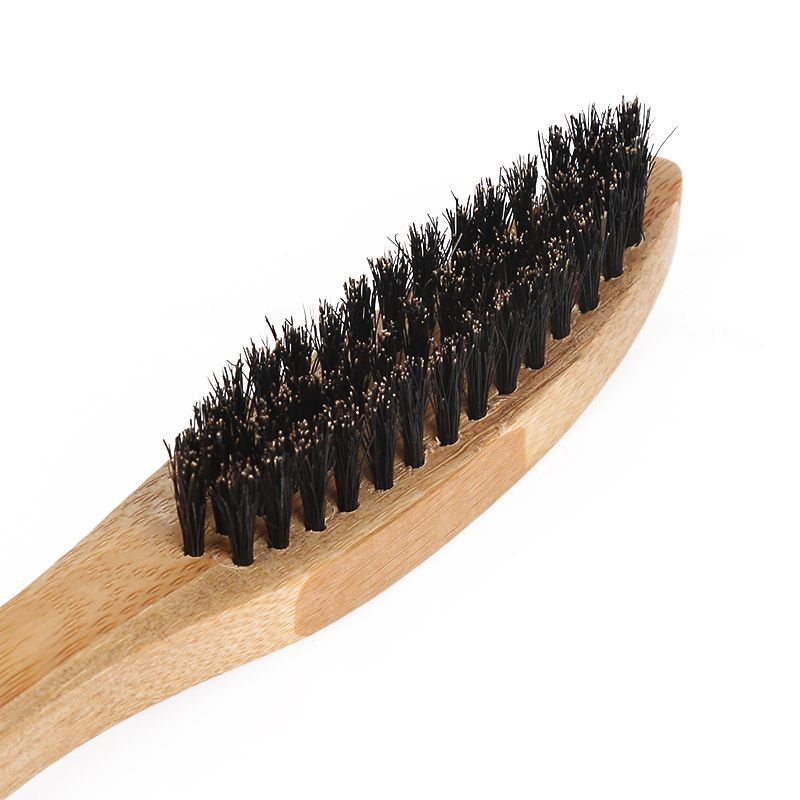
Take, for example, multi-lobed synthetic fibers. Unlike traditional round filaments, these bristles feature star-shaped or grooved cross-sections, increasing surface area to trap water molecules. A 2023 study by the International Grooming Institute found that such designs can hold up to 30% more moisture than standard synthetic bristles, extending lather life by 40% in controlled tests.
Surface Modification: Enhancing Water Affinity
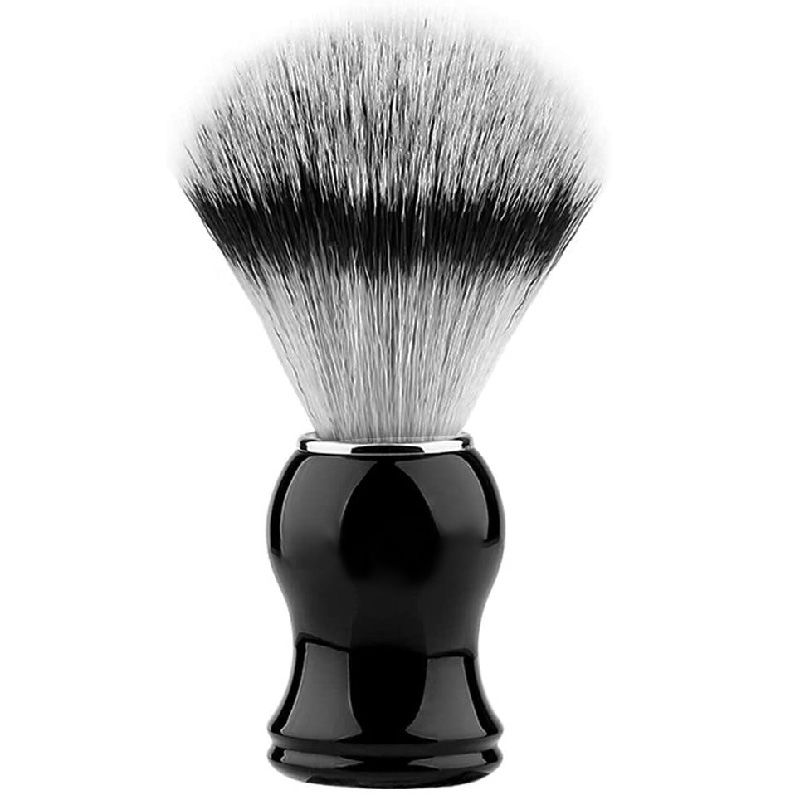
Beyond fiber shape, surface treatments play a pivotal role in moisture lock. Hydrophilic coatings, applied via nanotechnology, create a molecular layer that attracts and binds water. These coatings, often made from biocompatible polymers, reduce water runoff and ensure bristle fibers stay hydrated longer. For instance, brushes treated with silica-based nanocoatings have shown a 25% reduction in moisture loss compared to untreated bristles, according to industry trials.
Another breakthrough is plasma surface activation, a process that alters the bristle’s surface energy to enhance water absorption. By bombarding bristle tips with low-temperature plasma, manufacturers create micro-pores that act as tiny reservoirs, holding water and cream until gentle pressure releases them during lathering.
Structural Design: Optimizing Bristle Density and Alignment
Moisture lock isn’t just about the bristle itself—it’s about how bristles work together. Dense bristle packs, with fibers aligned at a 15-20 degree angle, create a “capillary effect,” where water is drawn upward and retained within the brush head. This design mimics the natural structure of beaver fur, which efficiently traps water in aquatic environments. Brands like Artisan Shave Co. have leveraged this principle, reporting customer feedback that their dense-angle brushes require 50% less re-wetting during a shave.
User-Centric Impact: Beyond Lather Longevity
The benefits of moisture lock technology extend far beyond prolonged lather. By reducing the need for frequent water addition, these brushes streamline the shaving process, saving time and minimizing waste. Moreover, consistent moisture levels mean the lather maintains its protective barrier longer, reducing friction between the razor and skin—a key factor in preventing nicks, redness, and ingrown hairs.
The Road Ahead: Sustainability Meets Performance
As the industry evolves, the next frontier for moisture lock lies in sustainable innovation. Manufacturers are exploring plant-based fibers, such as bamboo or recycled polyester, treated with bio-derived hydrophilic agents. Early prototypes show promising results, with recycled polyester bristles achieving 85% of the moisture retention of premium synthetics while cutting carbon footprints by 40%.
In conclusion, bristle moisture lock technology is transforming the shaving brush landscape. By combining advanced materials, precision engineering, and a focus on user experience, these innovations are not just extending lather life—they’re elevating the entire wet shaving ritual. For consumers, this means a more efficient, comfortable, and enjoyable shave. For manufacturers, it’s a testament to how technical ingenuity can turn a simple tool into a grooming essential.


